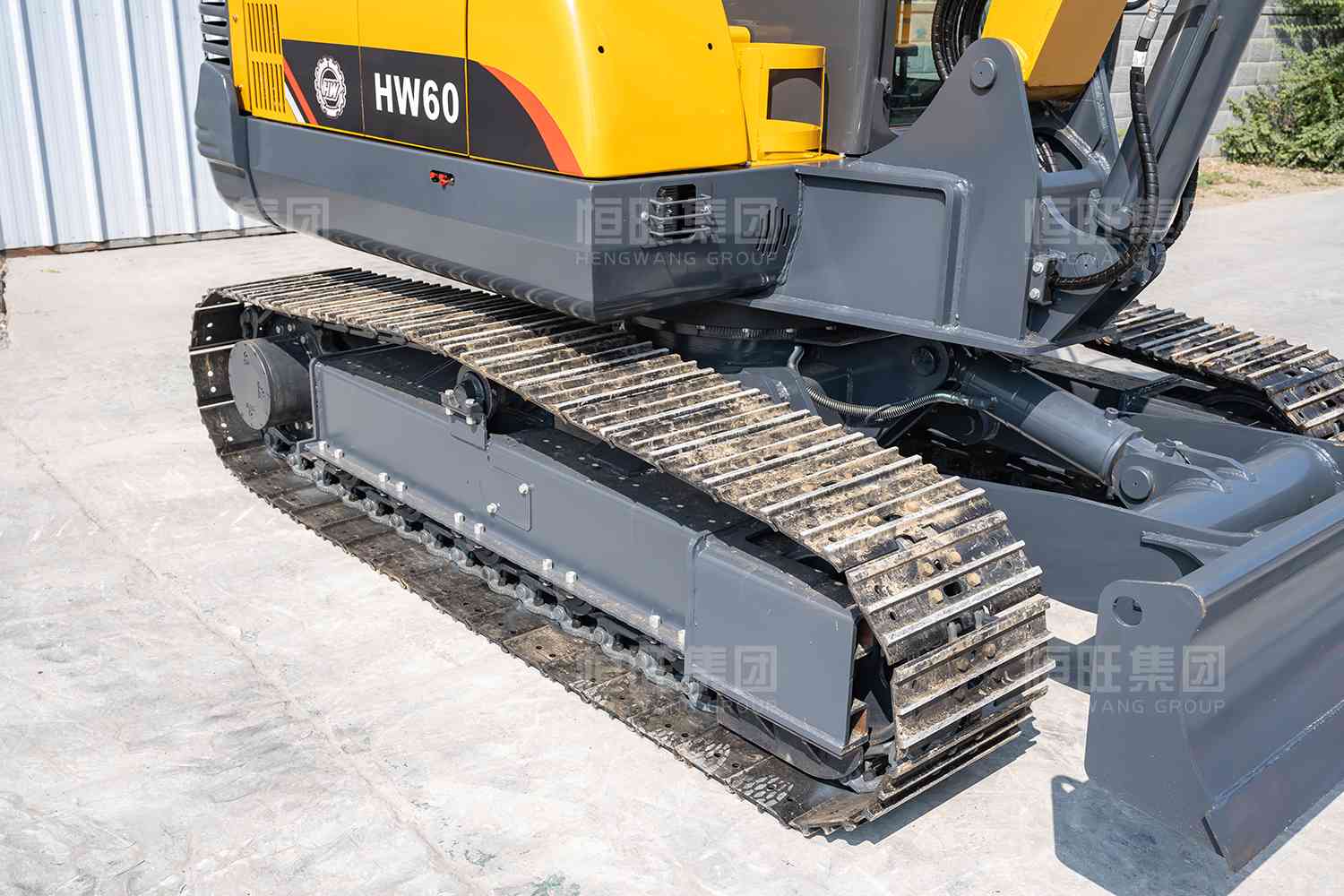
I. Standardize Operating Procedures to Minimize Human-Induced Wear
Avoid Sloped Terrain and Abrupt Steering
Prolonged movement on slopes or sudden turns forces track links to rub against drive wheels and idlers, accelerating wear. Opt for flat routes and execute wide-radius turns
Limit slope gradients to ≤30°; use bucket leverage or extend tracks to reduce strain during steep ascents
Control Speed and Load
High-speed travel or overload increases stress on track pins and rollers, leading to fatigue fractures.
II. Strengthen Daily Maintenance to Prevent Latent Issues
Regularly Clear Debris from Tracks
Adjust the boom and arm to 90°–110°, lift one track off the ground, and rotate it to dislodge materials
Mud and rocks trapped in tracks compress against idlers and drive wheels, elongating tracks and causing fractures. To remove debris:
Inspect and Tighten Critical Bolts
Bolts securing idlers, rollers, and track plates often loosen due to vibrations. Weekly checks and tightening prevent track plate cracks and alignment issues
Lubricate and Adjust Track Tension
Apply high-temperature grease to track pins to reduce friction. Maintain tension so the track sags 20–30 mm when lifted—too tight increases wear, too loose causes derailment
III. Optimize Parking and Storage Practices
Park on Level Ground
Uneven surfaces stress tracks unevenly, causing cracks. For long-term storage, clean tracks and apply anti-rust coatings
Address Abnormalities Promptly
Stuck idlers or rollers must be repaired immediately to prevent uneven wear. Misaligned components often necessitate costly track replacements
IV. Strategies for Challenging Environments
High-Temperature/Dusty Conditions: Install pre-filters on air intakes and clean radiators regularly to prevent overheating and abrasive wear
Rocky Terrain: Use protective plates or temporary steel plates to shield tracks from sharp stones
Key Takeaway: Track lifespan = 50% proper operation + 30% maintenance + 20% environmental adaptation. Implementing these measures can reduce repair costs by over 30%. For detailed track replacement standards or lubricant specifications, refer to the technical sources cited.